

Students
Communication Sciences and Disorders

Find their voice, find your future.
Combine science with hands-on experience for a flexible, rewarding career.
The Division of Communication Sciences and Disorders (CSD) is actively engaged in research and scholarship, innovative in its teaching and clinical education, and is strongly committed to its advocacy and community outreach efforts. We prepare students for exciting professions which improve the lives of persons or family members who have communication disorders.
Students enrolled in courses within the Division of Communication Sciences and Disorders have the opportunity to participate in research, provision of clinical services, study abroad experiences related to the profession, and student organizations focused on increasing awareness and resources for those with communication disorders.
Overall, we offer:
- a minor in communication sciences
- a Bachelor of Science (BS) in communication sciences and disorders
- a Master of Science (MS) (with both on-campus and online options) in speech-language pathology
- a Doctorate of Audiology (AuD)
Public Meeting Announcement for Re-Accreditation: MS in Speech-Language Pathology and Doctorate of Audiology
Date: March 19, 2024
Time: 10:45-11:15am
Location: G105 AHB (Clinic Conference Room)
The West Virginia University (WVU) programs for the Doctorate of Audiology (AuD) and Master’s (MS) in Speech-Language Pathology (SLP) will be undergoing a re-accreditation virtual site visit on March 19, 2024. In accordance with the CAA’s Public Comment policy and procedures, the CAA is seeking public comment as part of the review of the WVU AuD and MS SLP programs.
The Master of Science (M.S.) education program in speech-language pathology and the Doctorate of Audiology (Au.D.) education program in audiology at West Virginia University is accredited by the Council on Academic Accreditation in Audiology and Speech-Language Pathology of the American Speech-Language-Hearing Association, 2200 Research Boulevard, #310, Rockville, MD 20850, 800-498-2071 or 301-296-5700.
HOW TO SUBMIT COMMENTS
Individuals who wish to provide input about a CAA-accredited program seeking continued accreditation may do so in 2 ways:
- Submit written comments prior to the accreditation site visit in accordance with the procedures specified in the public comment procedures. All comments are due in the Accreditation Office no later than 15 days before the first day of the scheduled site visit. Comments received after this time will not be forwarded to the site visit team for consideration during the accreditation review, in accordance with the procedures specified in Chapter XII of the Accreditation Handbook. Comments may be submitted by email (accreditation@asha.org), fax (301-296-8570), or mailed to Accreditation Public Comment, Council on Academic Accreditation in Audiology and Speech-Language Pathology (CAA), 2200 Research Boulevard, #310, Rockville, MD 20850.
- Provide comments to the site visit team during the program’s scheduled site visit.
All comments must:
- Relate to a program’s compliance with the current Standards for Accreditation.
- Identify the specific program seeking candidacy, initial accreditation, or continued accreditation with the CAA.
- All written testimony—including comments faxed or submitted as e-mail attachments–must include the commenter’s name, address and telephone contact information and the commenter’s relationship to the program in order for Accreditation staff to verify the source of the testimony. All comments must be signed.
Comments that do not meet these requirements will not be considered, and the individual or group commenting will be notified.
The Standards for Accreditation and the CAA’s Public Comment policy and procedures are available in the Accreditation handbook. These documents may also be obtained by sending a written request to the Accreditation Office.
Who we are.
We are professionals, such as speech-language pathologists and audiologists, who assess and treat individuals with speech, language, or hearing disorders across the lifespan to improve participation in daily activities.
We are driven by our mission to enrich the lives of the people of West Virginia and the region by (1) educating ethical, responsible and knowledgeable professionals who value compassion, acceptance and interprofessional collaboration, (2) providing excellent evidence-based clinical services and (3) expanding accessibility to such services.
Facts
-
100%Praxis pass rate for speech-language pathology and audiology.
-
In-Demand CareersBy 2030, jobs in speech-language pathology and audiology are predicted to grow by 29% and 16%, respectively.

What you'll do.
You will enjoy opportunities to practice in settings that match your career goals and how they fit your vision of work-life balance:
- Hospitals
- Clinics
- Special-treatment centers
- Private practice
- Schools
Those that hold advanced degrees can expect to make a salary in the $75,000+ range, with a career growth rate faster than the national average.
With career flexibility, you can work and live almost anywhere.
Hear from current Mountaineers
-
![]()
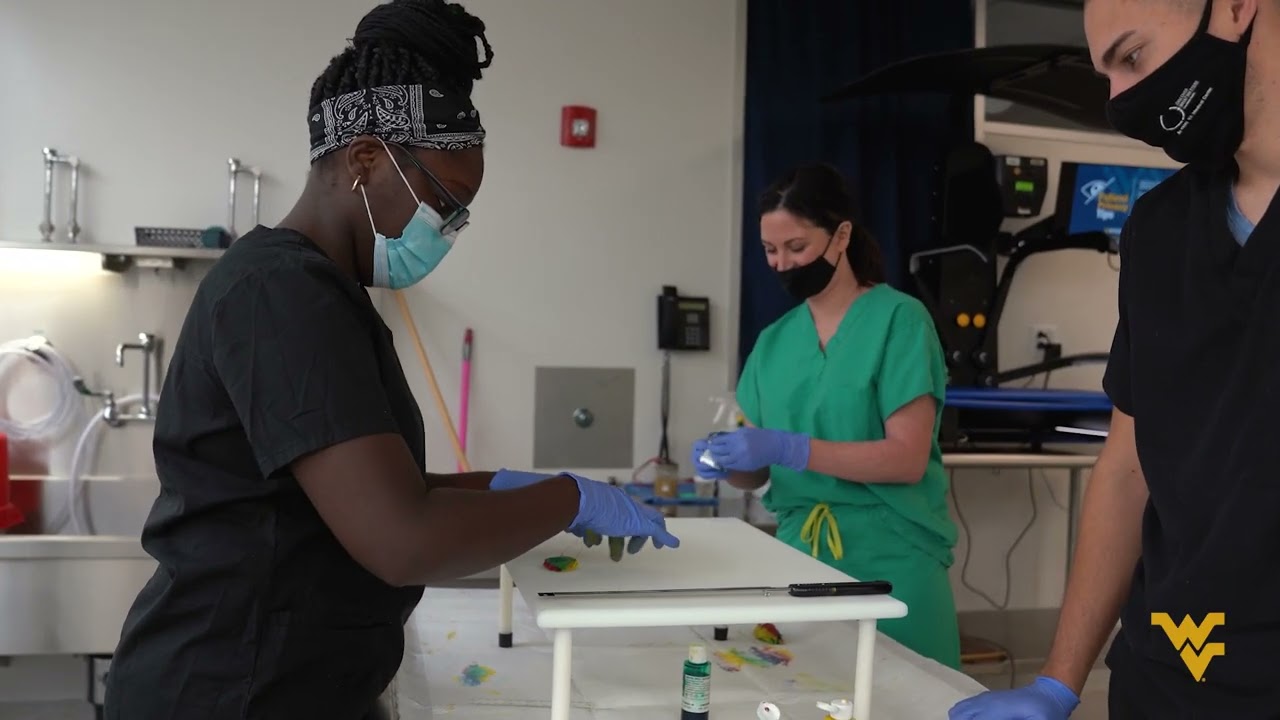 Duration:Explore the WVU School of Medicine
 -
![]()
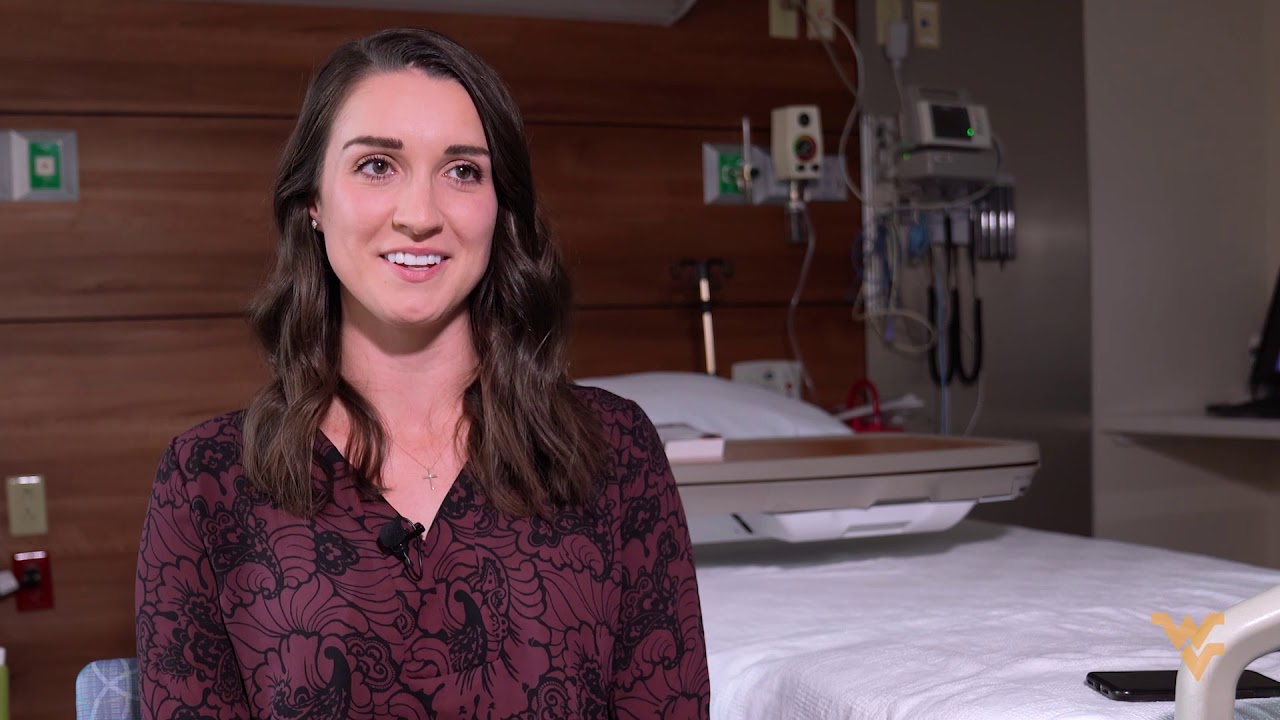 Duration:Trust Us About Morgantown
 -
![]()
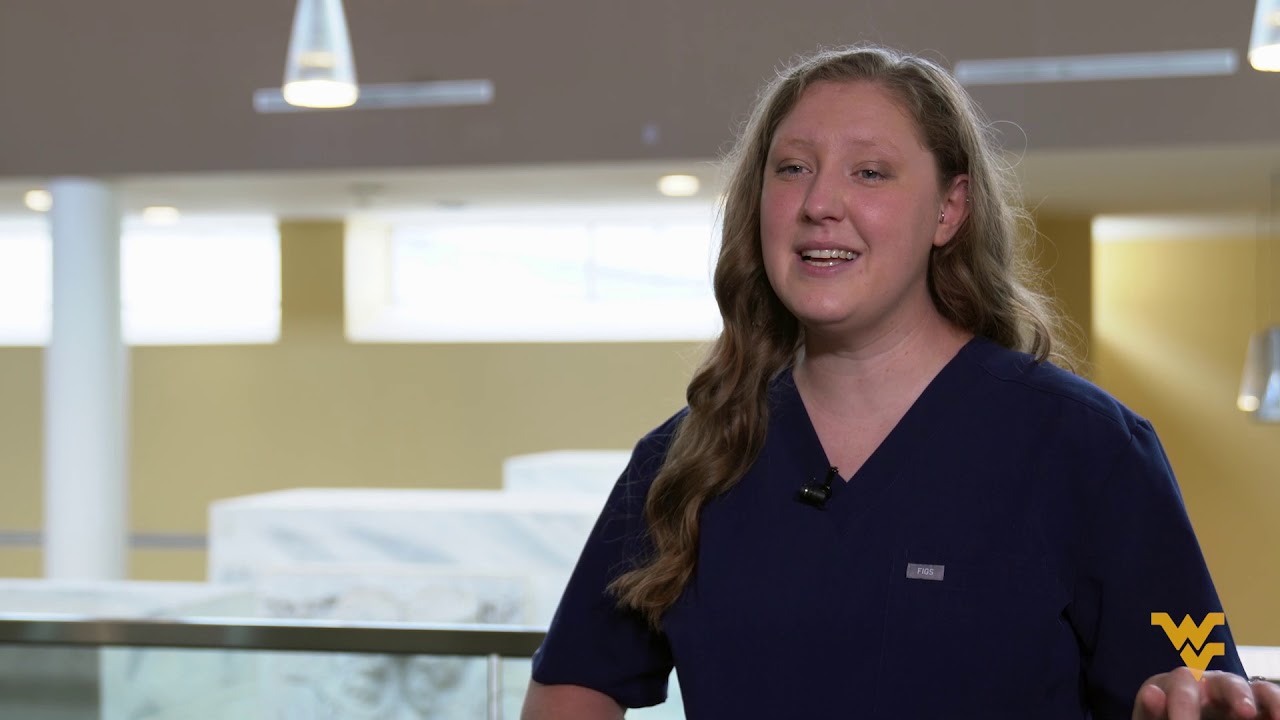 Duration:Trust Us about the Great Outdoors
Connect with Us
Stay connected with what's happening at the School of Medicine.
Recent News

Accreditation
The Master of Science (M.S.) in speech-language pathology {residential, distance education} and the Doctor of Audiology (Au.D.) {residential} at West Virginia University is accredited by the Council on Academic Accreditation in Audiology and Speech-Language Pathology of the American Speech-Language-Hearing Association, 2200 Research Boulevard, #310, Rockville, MD 20850, 800-498-2071 or 301-296-5700.